The Google March 2026 Spam Update has created massive fluctuations in website rankings across multiple industries. Many site owners reported sudden traffic drops, while others saw unexpected growth. If your website is affected, understanding this update is the first step toward recovery.
In this blog, we’ll break down what actually happened, why rankings dropped, and what you should do next to regain your position in Google search.
What Is the Google March 2026 Update?
Google regularly updates its algorithm to improve search quality and remove low-value content. These updates can be broadly categorized into:
- Core Updates (overall ranking changes)
- Spam Updates (targeting manipulative SEO tactics)
The March 2026 changes appear to be a mix of both — focusing heavily on content quality, spam detection, and user experience improvements.
Why Many Websites Lost Traffic
If your traffic suddenly dropped, you are not alone. Several factors likely contributed:
1. Low-Quality or Thin Content
Google is prioritizing content that genuinely helps users. Pages with:
- Low word count
- Repetitive information
- No real value
are being pushed down in rankings.
2. AI-Generated Content Abuse
AI content is not banned — but mass-produced, low-quality AI content is being filtered out.
3. Weak E-E-A-T Signals
Google now gives more importance to:
- Experience
- Expertise
- Authority
- Trust
If your website lacks author details, credibility, or real-world experience, rankings may decline.
4. Over-Optimized SEO (Spam Signals)
Techniques like:
- Keyword stuffing
- Spam backlinks
- Duplicate pages
are being detected more aggressively.
Key Changes in the March 2026 Update
Here are the biggest shifts observed in this update:
✔ Content Quality Over Quantity
Publishing 100 low-quality articles no longer works. One strong, helpful article performs better.
✔ Search Intent Matters More
Google is rewarding pages that directly answer user queries clearly and completely.
✔ Technical SEO Still Important
Factors like:
- Page speed
- Mobile usability
- Clean site structure
continue to impact rankings.
✔ Increased Ranking Volatility
Many websites experienced major fluctuations because Google recalibrated how it evaluates content quality across all niches.
Signs Your Website Was Hit
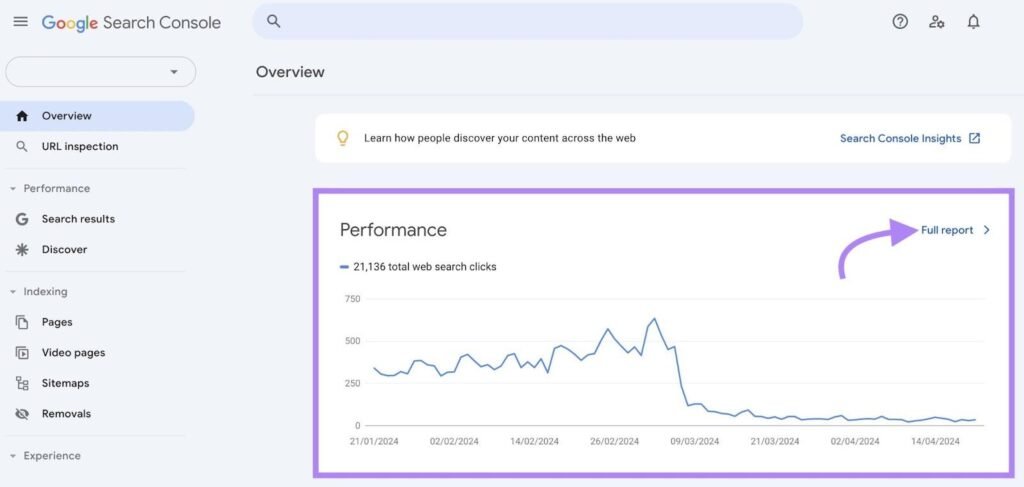
You may be affected if you notice:
- Sudden drop in organic traffic
- Ranking loss for multiple keywords
- Decrease in impressions in Search Console
- Lower click-through rate (CTR)
How to Recover After the Update
Recovery is possible — but it requires a smart SEO strategy.
1. Improve Content Quality
- Write original, detailed content
- Solve real user problems
- Avoid copied or spun content
2. Remove or Fix Low-Value Pages
- Delete thin content
- Merge similar pages
- Update outdated articles
3. Build Trust & Authority
- Add author bio
- Show contact details
- Include testimonials or proof
4. Optimize for User Experience
- Fast loading website
- Mobile-friendly design
- Easy navigation
5. Focus on Real SEO (Not Tricks)
Avoid:
- Fake backlinks
- Keyword stuffing
- Auto-generated pages
Instead, focus on:
- Genuine content
- Natural backlinks
- Topical authority
Important Truth: It’s Not a Penalty
Many people think Google “penalized” their site — but that’s not always true.
In most cases:
👉 Your competitors improved
👉 Google changed ranking signals
So your site simply became less relevant compared to others.
Pro SEO Strategy for 2026
If you want stable rankings in the future, follow this:
- Build topic-based content clusters
- Focus on user intent + depth
- Use internal linking properly
- Update old content regularly
Final Thoughts
The Google March 2026 update is a clear signal:
👉 Shortcuts no longer work
👉 Quality is everything
👉 User-focused content wins
If you adapt to these changes, your website can not only recover but grow even stronger in search rankings.